Have you ever wiped a surface and wondered–was that all that killed the germs, or did it only transfer them? It is a question that many people do not consider but it is of great importance in keeping a home really hygienic. Although cleaning is sometimes linked to making things appear to be neat and tidy, it is a great difference between cleaning and getting rid of harmful bacteria. This can be absolutely transformed by learning this difference and that is why it will make you change your approach to your cleaning routine.
1. What Does “Cleaning” Really Mean?
In its most basic definition, cleaning simply means to remove visible dirt, dust and impurities off surfaces. This is normally done with water, soap or general cleaning agents. When you clean a counter or a floor you are literally sweeping away debris and microorganisms with it. Cleaning however does not always kill bacteria it decreases it but may not kill it all. Consider it as clearing the battlefield and not the war. The surface might be spotless, yet the microscopic germs might be left.
2. Cleaning vs Disinfecting: The Difference?
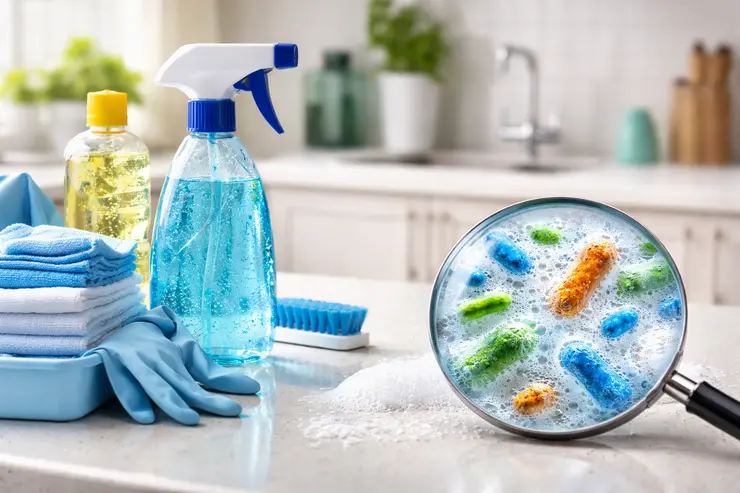
As a matter of fact, they play other roles. Cleaning will eliminate dirt, reduce the number of germs whereas disinfection involves the use of chemicals to kill bacteria and viruses on surfaces.
As an example, a wet cloth wiping a kitchen counter will remove crumbs and grease, but it is the utilization of a disinfectant spray that will actually hit and kill harmful microbes. These two steps are significant and most effective when combined. Professional bond cleaning companies can also be hired to get the expert results.
3. The Effectiveness of Cleaning on a Daily Basis
Though cleaning is not a killer of all bacteria, it is very important in keeping things clean. You eliminate dirt and organic material and this makes it difficult to allow bacteria to multiply and grow. Actually, numerous germs are good in dirty and damp conditions. These conditions are interrupted by regular cleaning, which minimizes the possibility of contamination.
Also, cleaning makes surfaces ready to be disinfected. In case a surface is greasy or dirty, disinfectants might not be effective. Therefore, the cleaning process is a necessary initial step of any hygiene.
4. When Does Your Bacteria Have to Be Killed?
One does not have to disinfect all the surfaces at home vigorously. It also has a few areas and situations that require more attention. The bacteria hotspots are those surfaces such as kitchen counters, bathroom fittings, door handles and light switches and should be cleaned by disinfecting them on a regular basis.
It is also advisable to pay attention to killing bacteria when a person in your house is ill, touched the raw meat or during flu seasons. Cleaning may not be resistant in such cases in ensuring they are safe.
5. Are All Cleaning Products Killing Germs?
This is one more field where confusion is likely to occur. Not every product used in cleaning is meant to kill bacteria. Most of the common cleaners prepared are designed to clean and not cleanse. Antibacterial products or disinfectants are certain products that contain particular ingredients that are intended to kill microbes.
One should read product labels attentively and comprehend what they are. The right product in the right work guarantees more results and high hygiene.
6. Cleaning with Natural Substances
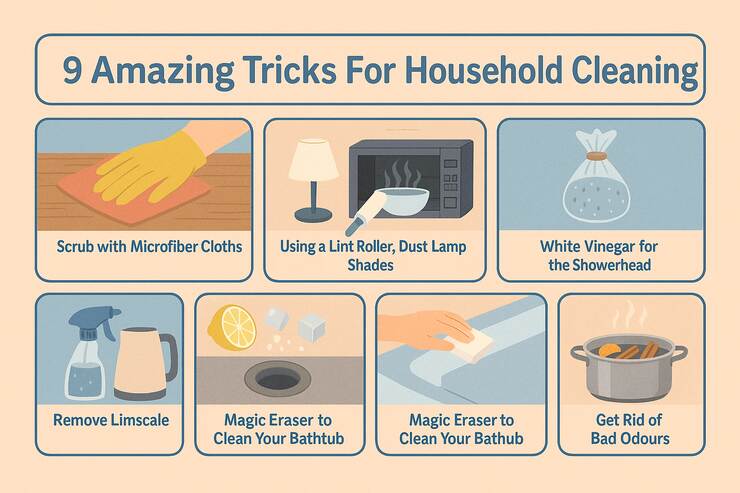
As the people become more conscious of the idea of green living, they are now using natural cleaning agents such as vinegar, baking soda or lemon. Though these are excellent in the aspect of dirt and odour elimination, they do not kill as effectively as that of commercial disinfectants. For surfaces like fabric furniture, you can also explore The best way to clean upholstery using a steam cleaner to achieve a deeper level of cleanliness.
With this said, natural solutions can also help in making the environment cleaner and lessen the formation of bacteria with frequent use. In case of more protection, approved disinfectants are suggested to use in cases where more protection is needed, e.g. in kitchens and bathrooms.
7. The Use of Technique in the Killing of Germs
Even the great cleaning or disinfecting product will not work when it is misused. As an example, a number of disinfectants need to be in contact with a surface, or contact time, to be effective against bacteria. Eliminating them at an excessive rate renders them ineffective.
In the same manner, a dirty cloth or sponge will not kill bacteria, but will pass them along. Cleaning the surfaces is also important just like washing or changing cleaning tools.
8. Establishing a Cleaning Habit
A hygienic home is its secret balance. The techniques should not be limited to cleaning or disinfectant since they should be combined so that the maximum result can be attained. Clean the surfaces first and then apply a disinfectant where extra hygiene is required.
Being constant with cleaning schedule is also a form of being constant. The daily cleaning and deep cleaning with disinfection has an opportunity to maintain your house clean and safe.
Conclusion
Though deep cleaning eliminates dirt and reduces the number of germs, disinfecting is the one that kills bacteria and offers greater protection.
With the knowledge of the distinction as well as the appropriate method, you will not only have a place that is not just pleasing to the eye but a place that is actually hygienic. All in all, a really clean house is a house that is not only attractive but also seems cool and promotes your health on a daily basis.